
Jewellery Services
Jewellery Polishing Melbourne
Daily wear leaves fine marks on jewellery and can dull its shine. Polishing can improve the metal surface, with the finish chosen to suit the piece.
Service overview
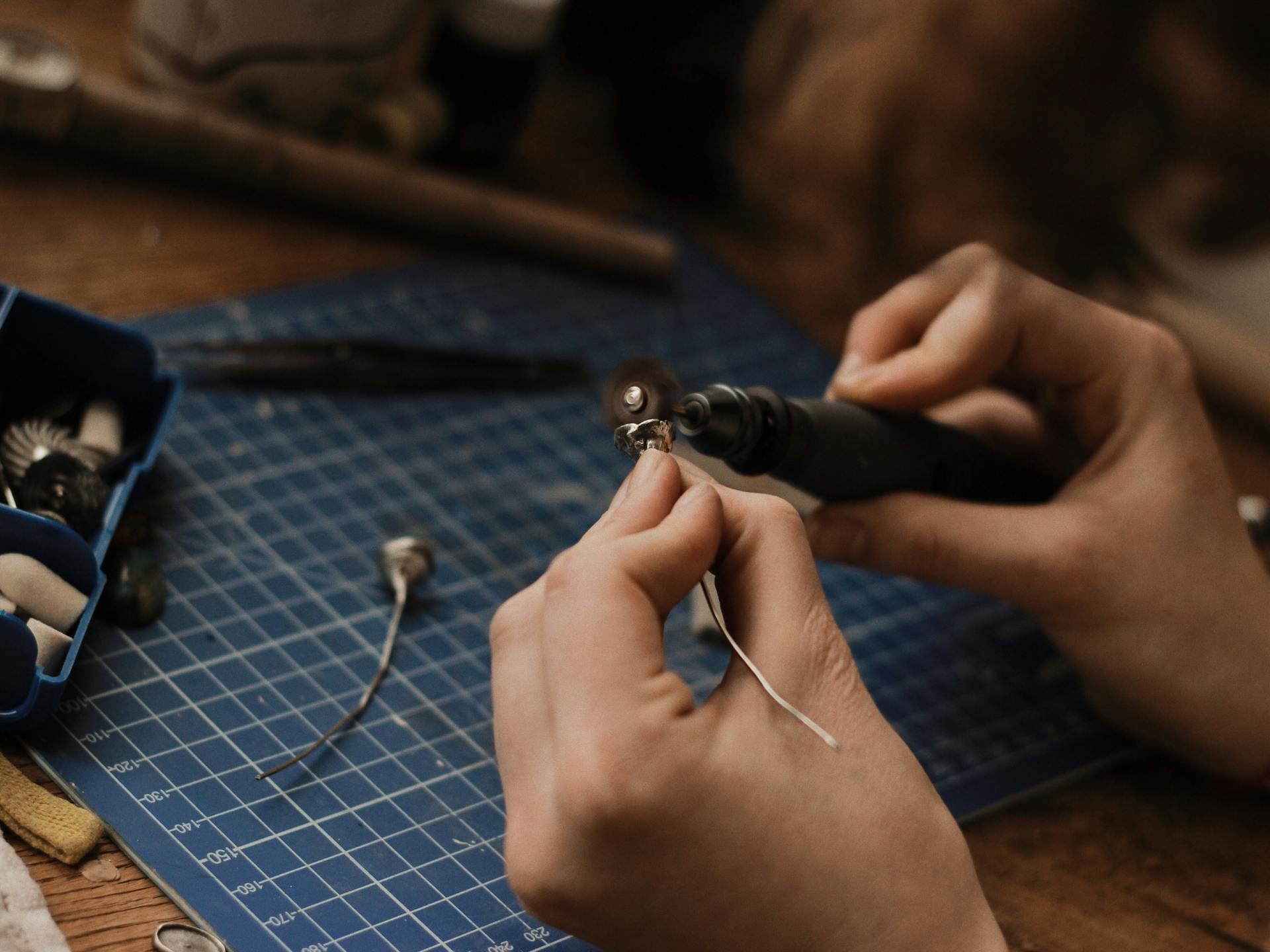
Overview
Kegam checks the metal, surface detail and settings before polishing. Light marks may improve, while deep scratches, dents or thin areas need a different discussion about what can be achieved.
- Items
- Rings, chains, bracelets, earrings and pendants
- Finish
- Discuss any matte areas or details you want retained
- Limits
- Deep damage may need repairs
- Timing
- Confirmed after checking the piece
Service details
Cleaning and polishing do different jobs
Cleaning removes accumulated dirt and residue. Polishing works on the metal surface to reduce light marks and improve its reflection. A piece that looks dull may need one or both, depending on the cause.
We assess everyday jewellery as well as older pieces. The workshop works with gold, silver, platinum, palladium and selected base metals; the treatment depends on the individual item and its condition.
Keeping the details that matter
Polishing removes a small amount of surface metal. That is why deep scratches, sharp edges, engraving and worn settings need attention before work begins. The aim is an appropriate finish, rather than removing every sign of age at the expense of the design.
Tell us if the piece has contrasting matte and polished areas. For a textured finish, see sand blasting. A loose stone or damaged band should be assessed for repair first.
Plated jewellery and timing
White gold may also need rhodium plating to renew its white coating. A worn gold-coloured coating may need gold plating, rather than polishing alone.
For a renewed silver surface or darker recessed detail, ask about silver plating and oxide finishes.
Selected polishing jobs may be available the same day. Contact the workshop if timing matters, or bring the jewellery in to discuss the work and cost.
Questions about polishing
Can polishing remove every scratch?
Should an antique or patterned piece be polished?
Can a plated piece simply be polished?
Discuss the finish you want
Bring the piece in and point out the marks that concern you, along with any detail you want preserved.