
Jewellery Services
Claw Retipping Melbourne
Claws wear down with use. If a ring catches on clothing or a stone feels loose, have the setting checked before wearing it again.
Service overview
Overview
Retipping rebuilds worn ends of the claws that hold a stone. Kegam checks the whole setting to decide whether the tips can be repaired or whether more extensive work is needed.
- Purpose
- Repair the metal holding a stone
- Signs to check
- Catching, bent claws or a loose stone
- Limits
- Retipping may not resolve wear throughout a setting
- Assessment
- Jewellery inspected before work is agreed
Service details
What retipping can address
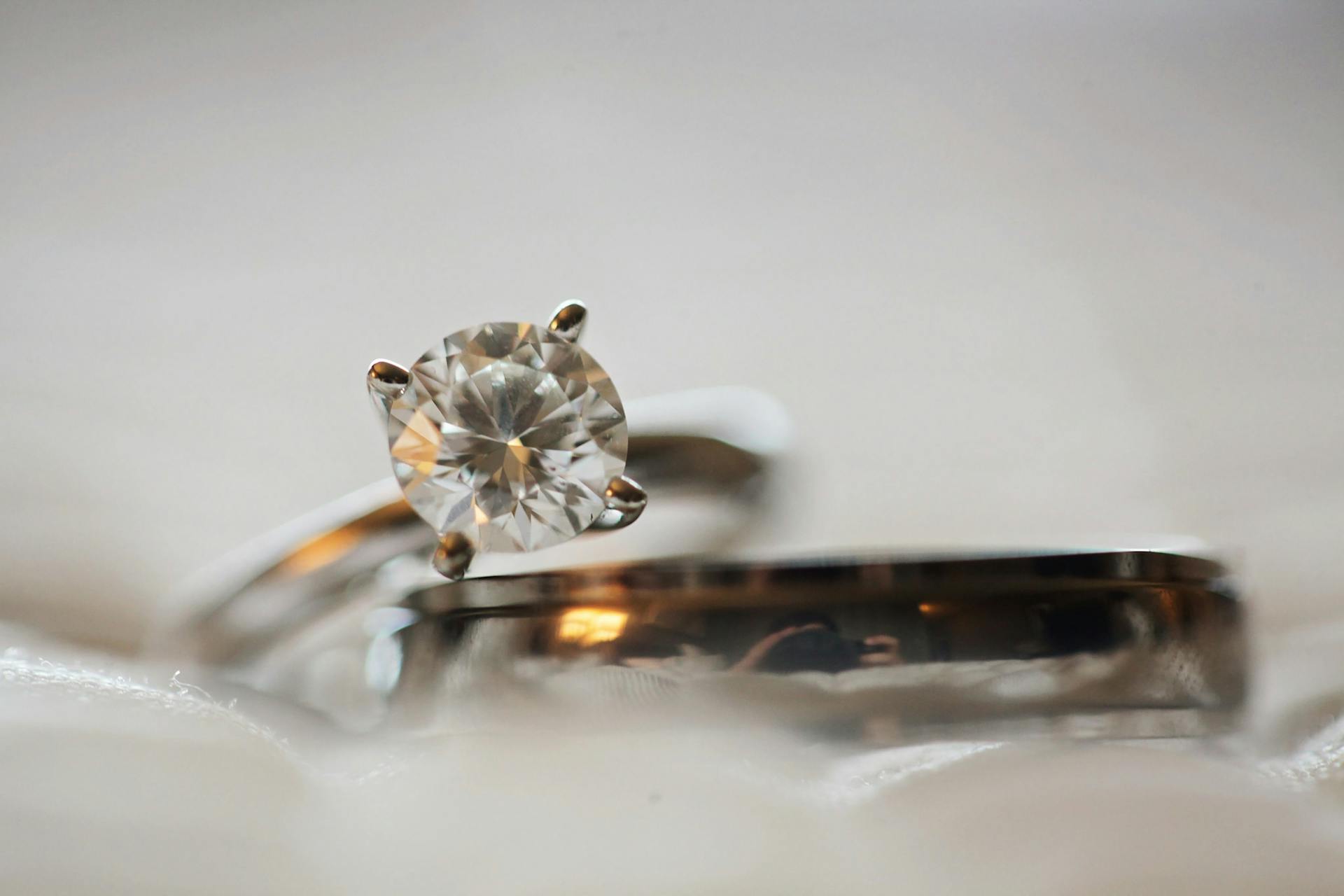
The tips of a claw setting sit against the stone to hold it in place. As those tips wear thin, the stone can become less secure. Retipping adds metal to rebuild worn tips where the rest of the setting can support the repair.
This work can be considered for engagement rings, dress rings and other claw-set jewellery. The metal, gemstone and condition of the setting determine how it can be approached.
When a setting needs more than new tips
A claw may be worn at its base, bent out of position or broken away. If the surrounding setting is also thin or damaged, retipping alone may be insufficient. Kegam will explain whether broader jewellery repairs are needed.
For a missing stone, see stone replacement. The setting must be assessed before a replacement is fitted.
Before you bring the jewellery in
Avoid bending a claw back yourself or testing a loose stone repeatedly. Keep the piece aside to reduce the chance of further damage or stone loss.
The number of claws, the gemstone and any additional setting work affect cost and timing. Visit the workshop so these can be discussed after inspection.
Claw and setting questions
Does every claw need retipping at once?
Is a claw that catches on clothing always worn out?
What if the stone has already fallen out?
Have a worn setting checked
If a stone moves or a claw has changed shape, put the piece aside and bring it in for assessment.